October 14, 2026
The Beauty They Would Trade for Gold
By Quinn Dwyer
By Amanda Shea Hungria
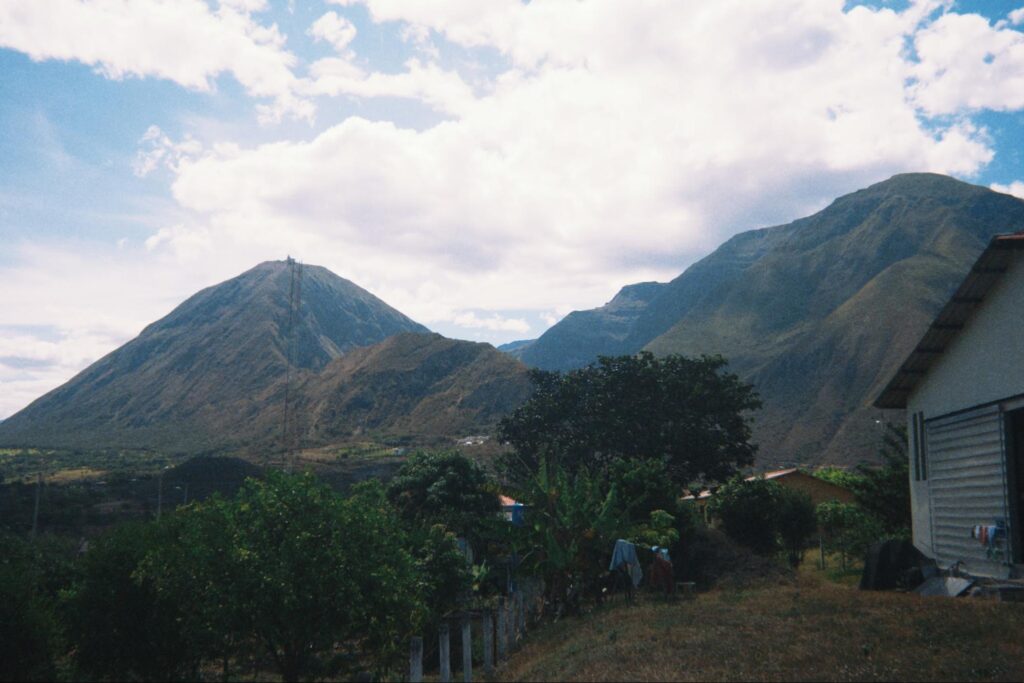
Yunguilla Valley, Cuenca. Spending two weeks of my summer in my second homeland, Ecuador, was both peaceful, refreshing and eye-opening.
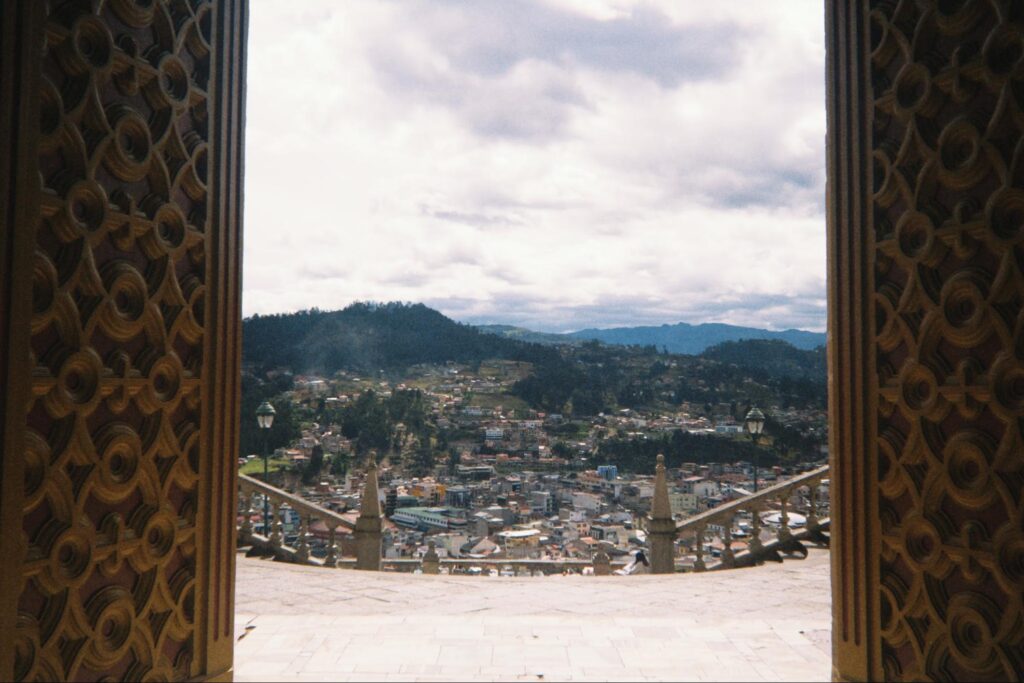
San Francisco’s Catedral — Azouges, Ecuador. Going from skyscrapers to mountain views, reminded me of the beauty city life often hides or destroys.
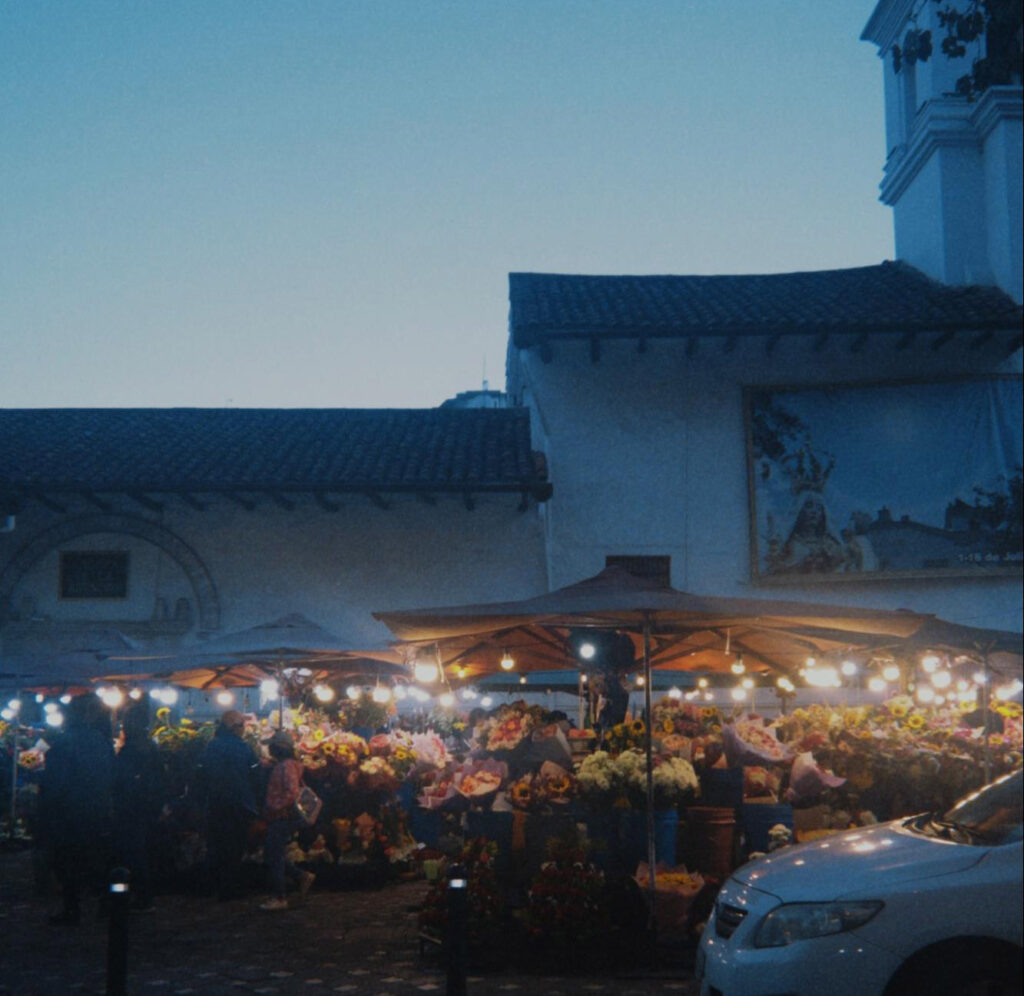
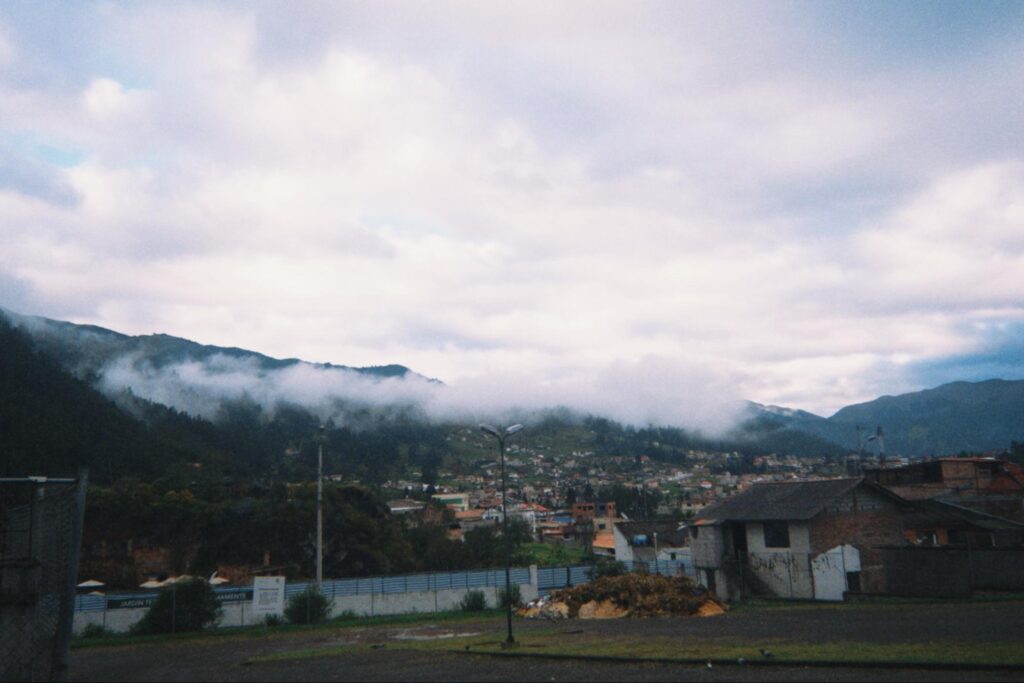
Cuenca, Ecuador. But during my time there I found that Cuenca, my family’s home town, now faces the shadow of a mine approved in Cajas.
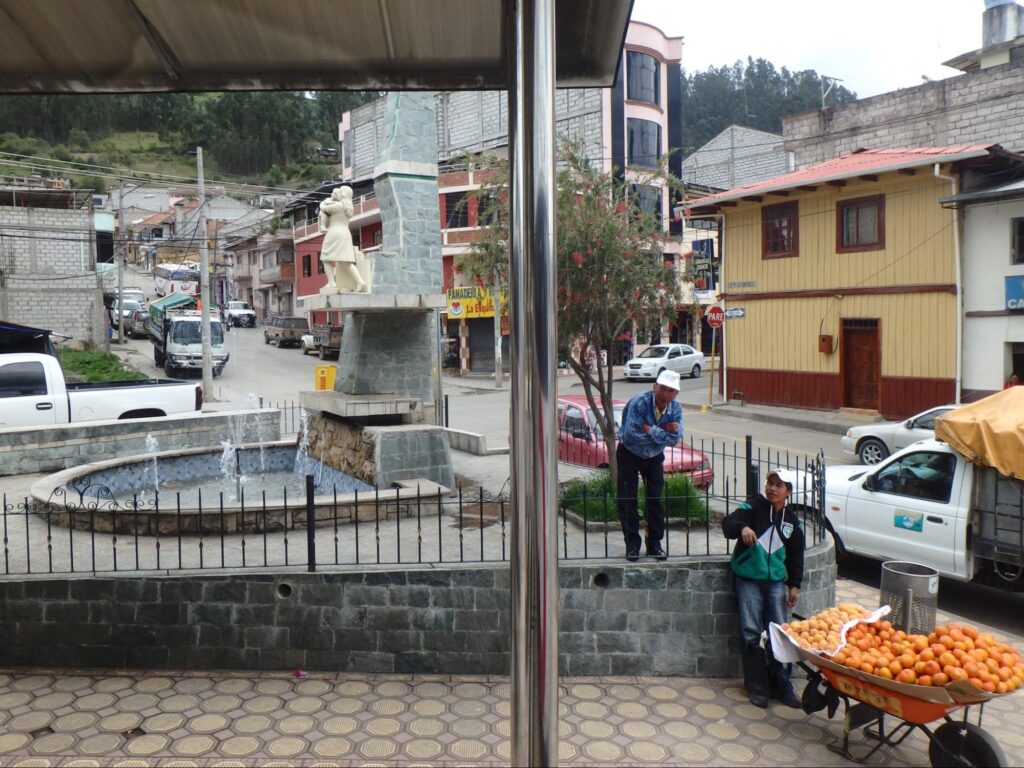
Cuenca, Ecuador. The million dollar Loma Larga gold mine — Directly threatens 180,000 residents like these who rely on water from Cajas.
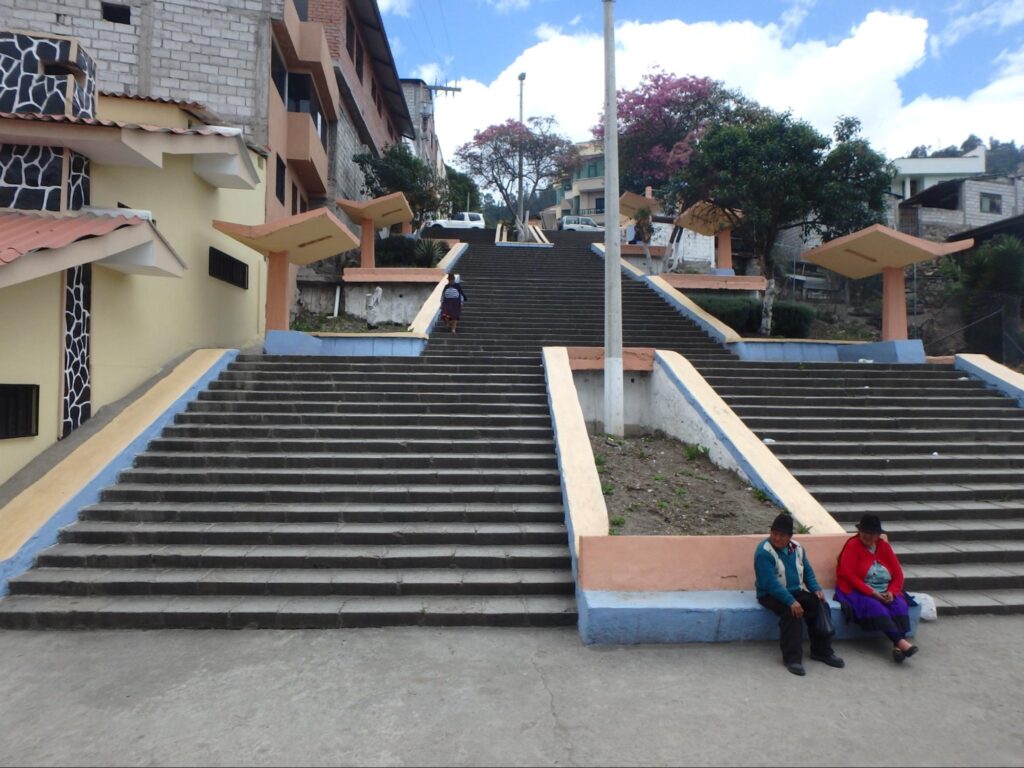
The big numbers that mining promises to generate leave the people and mother nature to be the government’s last worry.
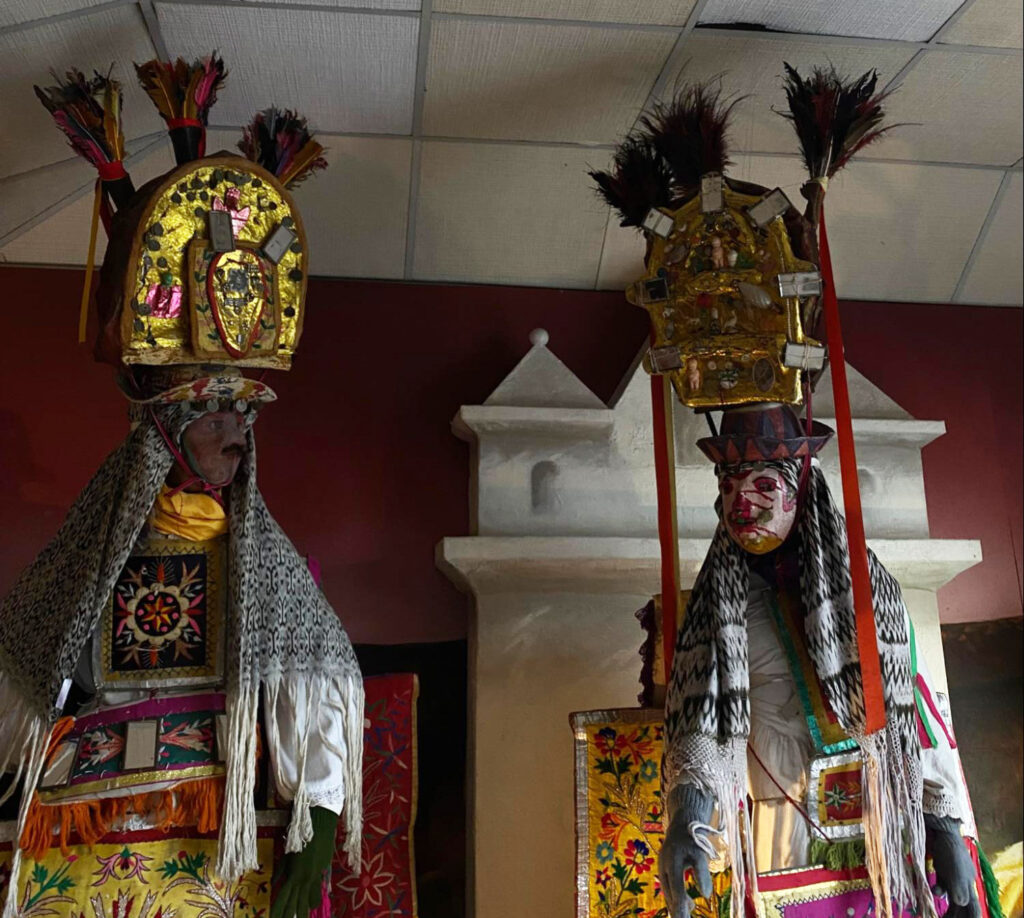
Pumpaungo museum — Cuenca, Ecuador.
This struggle is centuries old. At the pumpaguno, the voices of indigenous culture echo, recalling how colonizers have exploited our land and denied its sacredness.
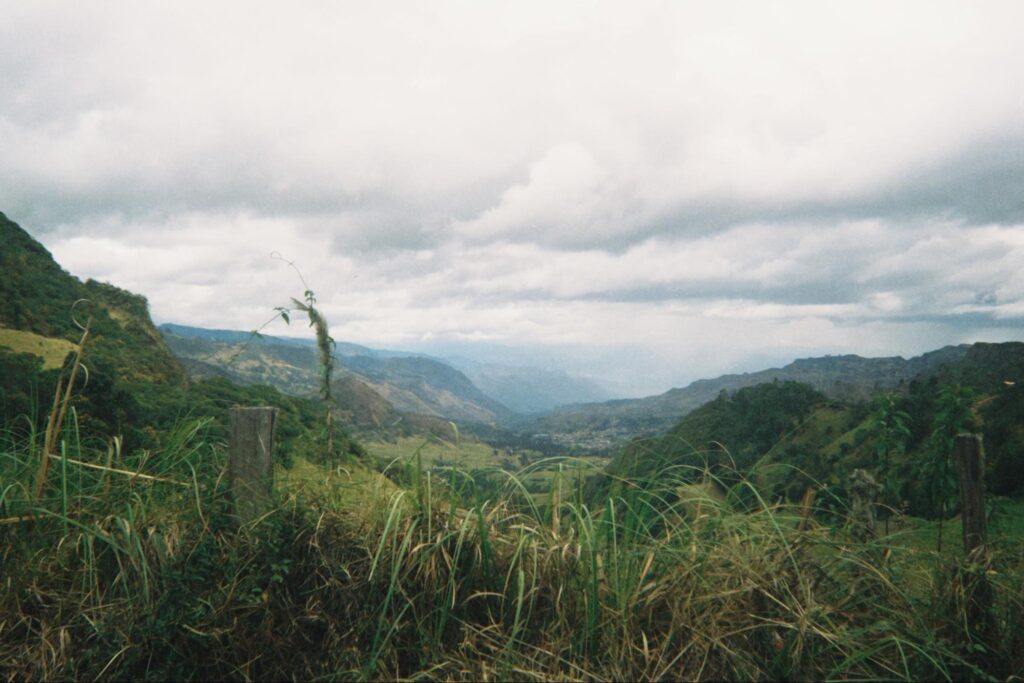
Large scale mining projects have already reshaped the southeastern part of Ecuador known as El oriente and now El Sur is next.
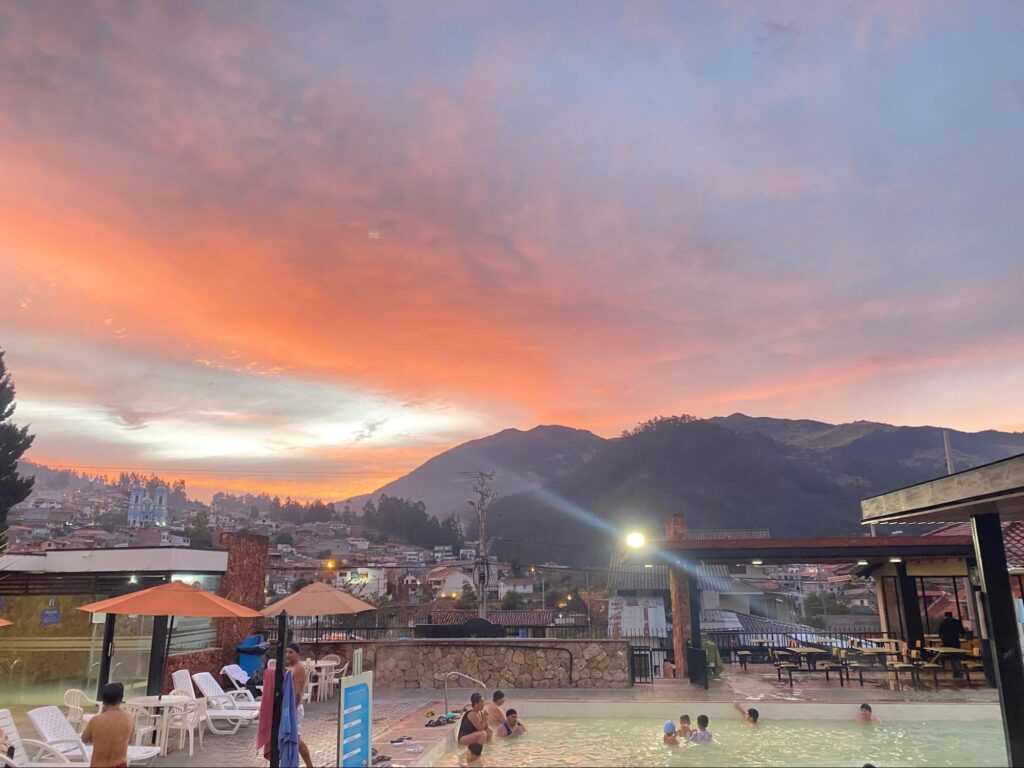
If only they removed their willful blindness, they too could feel the peace of the mountains, the rush of the wind, and the whisper of the trees.
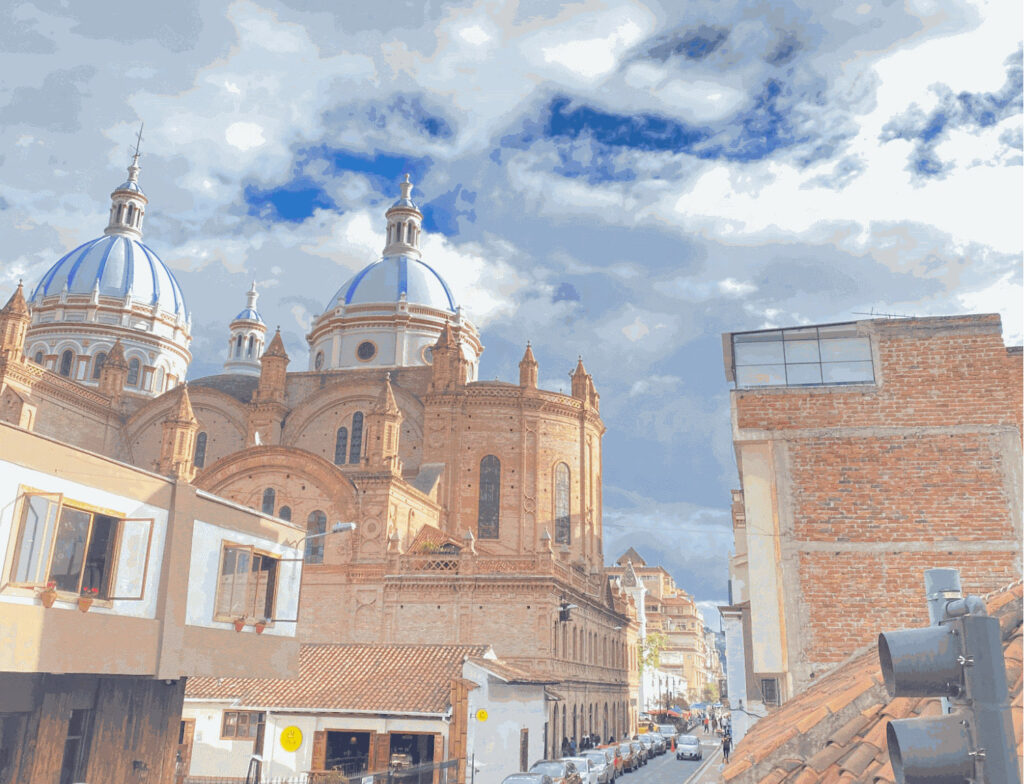
La Catedral de la Inmaculada Concepción — Cuenca, Ecuador.
Until they are blinded, Cuenca’s voice will roar loud and clear: Our land is not for profit, and not for sale.
Banos, Cuenca. Ecuador’s natural wonders remain as one of its last sources of hope, and identity during a time when gang violence and insecurity are at an all-time high.
Drive through Andes mountains, specifically el cajas national park to get to Cuenca. The mountains, rivers and trees are not just landscapes. They are living testaments of peace, resilience, and memory awaiting to be preserved before they are lost forever.